Unlocking the Future: Innovations in Cube Technology and Spatial Design
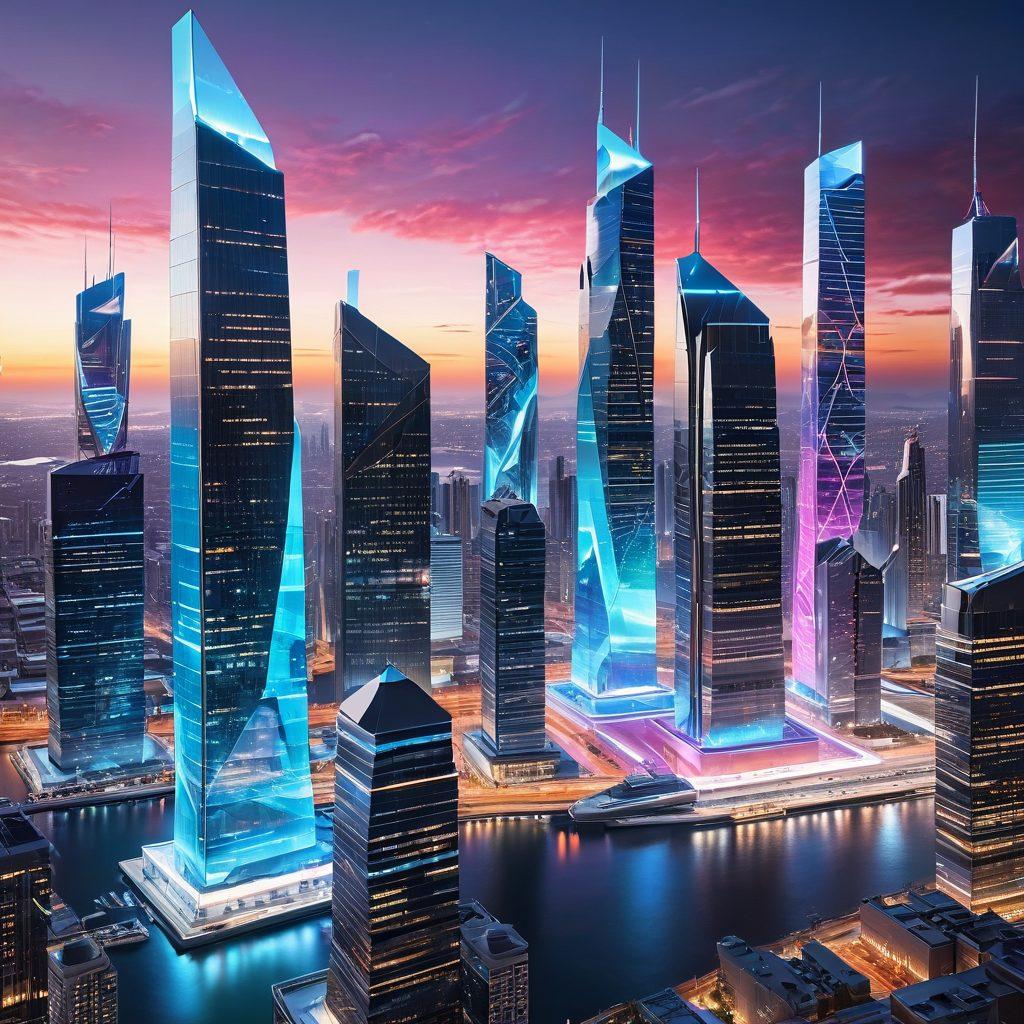
When we think about the future of design, the mind often gravitates towards sleek lines, vibrant colors, and innovative materials. But what if I told you that the true blueprint of tomorrow’s architecture might just lie within the humble geometry of a cube? Yes, cube technology is not just a trend—it's a transformative movement reshaping spatial design. Imagine strolling through an urban landscape where cubical structures harmonize with the digital world, creating a seamless blend of functionality and aesthetics. As we explore the geometry of tomorrow, let’s dive into how this geometric shape is influencing the spatial design landscape today.
In the realm of architecture, cubism isn't merely an art movement; it represents a fundamental shift towards embracing geometric shapes that challenge conventional norms. The 3D cube, for example, isn't just a static entity; it's a testament to our ability to connect abstract concepts with real-world applications. Have you ever pondered how cube math, coupled with cube logic, can lead to ingenious designs that maximize space? Qubic innovations are emerging, leaning on digital cubes and modular systems to create versatile structures that adapt to the ever-changing demands of modern living.
Consider this: as urban populations soar, the need for effective spatial design becomes increasingly critical. The beauty of cube technology lies in its simplicity and utility. With block systems that can be combined in various configurations, architects and builders can create multifunctional spaces that are as dynamic as the people who use them. Think about a community center designed with cubed elements—each block constructed to serve multiple purposes. This is the magic of cube design. Such versatility allows for efficient use of resources while maximizing user experience. Are we ready to challenge our perceptions of space and redefine how we live and interact within our environments?
The fusion of Qubic technology and architecture of cubes is not merely a theoretical concept; it’s an evolving reality. As we embrace these advancements, the way we construct and occupy our spaces becomes a narrative of adaptability and forward-thinking. Imagine a world where virtual cubes alter the very fabric of our spatial understanding—where augmented reality meets physical structures to craft experiences that were previously confined to our imaginations. As we build these cubical structures, are we just creating buildings or are we outlining future experiences?
As we stand on the brink of a spatial revolution driven by cube technology, it’s crucial to understand the impact of cubical designs on our lives. This exploration goes beyond mere aesthetics; it's about discovering new ways to inhabit spaces and redefine functionality. The geometric precision of cube design paired with innovative thinking opens doors to sustainable and intelligent construction practices. As we continue our journey into this world of digital cubes and architectural complexities, let us visualize a future where spatial design is not just an artistic endeavor but a logical solution to contemporary challenges. So, what role will you play in unlocking the potential of cube technology?
From Digital Cubes to Real-World Applications: The Impact of Qubic Innovations
Imagine a world where the simple structure of a cube transforms not only our digital interactions but also the very essence of our physical spaces. Welcome to the realm of Qubic innovations—a domain where geometry meets reality and creativity is unbound. The evolution of cube technology has led to an exciting intersection of digital cubes and real-world applications, revolutionizing architecture and spatial design. How did we go from static cubical structures to dynamic modular systems that can respond to our needs in real-time?
At the core of Qubic innovations lies the fascinating architecture of cubes. Geometric shapes, particularly cubes, have long fascinated artists, architects, and engineers alike. Cubism, a revolutionary art movement, once challenged us to view reality from multiple angles. Today, cube design has taken that challenge further, not only inspiring visual aesthetics but also influencing the way we design our environments. Imagine walking into a space designed with cube logic in mind, where every corner, angle, and arrangement promotes usability and creativity! What if your workspace was designed as a collaborative 3D cube that adapts to your mood and productivity levels?
But how does cube technology manifest itself in our everyday lives? The integration of digital cubes and virtual cubes into our world is profound. By harnessing Qubic technology, we bring forth innovative block systems that can be dynamically configured to create limitless possibilities. Think about how modular systems can change the landscape of urban design. You could easily transform a public space to host a community gathering or an art installation. With cube engineering at the forefront, the options are as varied as our imaginations. Can you envision a park where each cube tells a story and engages its visitors in unique, captivating ways?
The rise of 3D cube applications in industries like healthcare, education, and entertainment demonstrates the versatility of cubical designs. For instance, in healthcare, cubical structures can optimize patient flow and enhance the efficiency of care delivery. In education, digital cubes can create immersive learning environments where students physically engage with geometry and cube math. The impact of Qubic innovations transcends simple functionality; it leads us towards a future where our built environments resonate with our aspirations and lifestyles. Are there specific ways you’d like to see cube transformations applied in your community?
These advancements in Qubic innovations challenge us to rethink our relationship with the spaces we inhabit. As we continue to explore the possibilities of cube technology, it’s clear that the future of spatial design is not just about aesthetics—it’s about creating a responsive dialogue between structure and user. So, the next time you pass by a cubical building or interact with a digital cube, pause and reflect. How might these geometrical marvels reshape our understanding of space and interaction? With each block and every angle, we have the chance to redefine our world one cube at a time.
Reimagining Architecture: The Role of Cubical Structures in Modern Design
Have you ever walked into a space and felt an instant connection, a spark of creativity igniting within you? This profound experience often roots itself in the architectural elements of a structure, where cubical forms reign supreme. In the world of modern design, cubical structures have become synonymous with innovation, challenging our perceptions of space and functionality. Guided by the principles of cube logic, architects are pushing the boundaries, resulting in architectural marvels that represent the convergence of artistry and engineering. The question is: how are we reimagining architecture through this geometric lens?
Cubism, a revolutionary art movement, has laid the groundwork for this architectural renaissance. Spanning across various dimensions, cubical structures emphasize simplicity while providing an enticing elegance. With cube technology at the forefront of spatial design, we can create modular systems that cater to diverse needs. Imagine walking through a gallery of digital cubes or a community space built on a block systems framework—each cube contributing uniquely to the environment while synergizing beautifully with the others. It's a dance of geometric shapes where functionality meets aesthetics, allowing every space to unfurl like a story waiting to be told.
As we delve deeper into the realm of cube design, the influence of Qubic innovations stands out. These advancements enable architects to apply cube math in ways previously thought impossible. From virtual cubes that exist in digital spaces to physical manifestations of cubical structures, the possibilities are limitless. Picture a building that creates intentional interactions—each 3D cube serving as more than just a space but as a catalyst for communal growth and creativity. It’s intriguing to imagine future cities evolving around cube engineering principles where each square foot is optimized and purposeful.
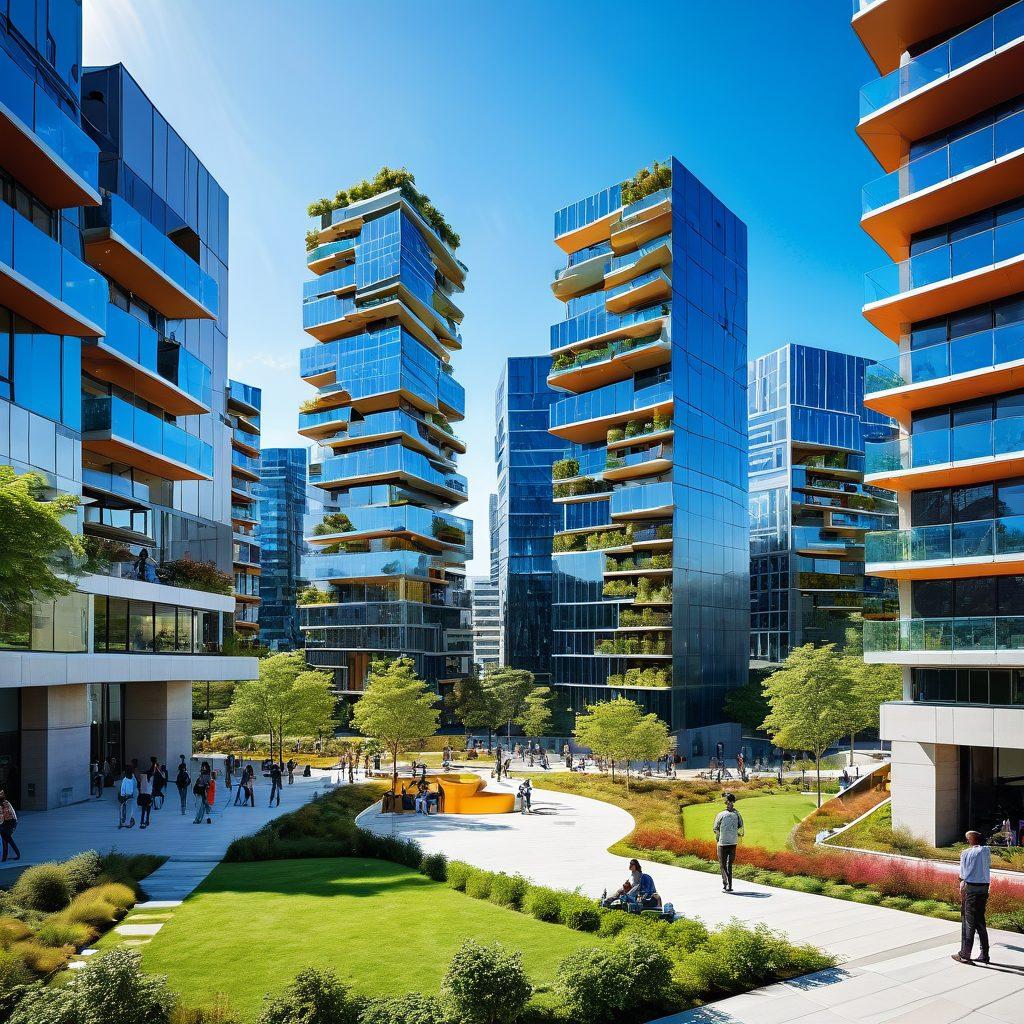
Let’s not forget the intriguing aspect of how these cubical forms affect human perception and movement. Have you noticed how a space composed of vivid cubical structures can engender feelings of openness? By leveraging cube technology, designers are able to craft environments that are welcoming and stimulating. It’s this interplay between architecture and human instinct that transforms a standard room into an engaging narrative. The architecture of cubes brings forward a sense of familiarity, encouraging us to interact and connect with our surroundings—after all, we humans are hardwired to respond to structured versatility.
In the end, the role of cubical structures in modern design is not just about aesthetic pleasure or spatial functionality—it's about creating experiences that resonate. As we embrace the age of Qubic technology and its impact on architecture, we must keep asking ourselves: how can we further explore the profound impact of cube-inspired design on daily life? The answer lies in our willingness to push the envelope, adapting and reimagining the spaces we inhabit to enrich our lives. So, the next time you encounter a cubed form, whether in a building or a piece of art, take a moment to appreciate the thoughtfulness behind that design—it might just be the key to unlocking your imagination.